

Designing and launching a global design thinking program to transform client relationships.
Design thinking about design thinking about design thinking.
My background in UX and cognitive psychology is what landed me here.
I designed the program as part of the Product Innovation team within the LinkedIn Talent Solutions Product Marketing department.
LinkedIn Talent Solutions had a relationship problem. Solutions Consultants were product experts. Clients wanted trusted teammates.
The gap between those two things was costing deals and limiting how deep account teams could go with the people they were already talking to every day.
Our solution was a program in which SCs would facilitate design-thinking workshops with clients on their most pressing hiring challenges: diversity, talent brand, and hard-to-fill roles. No product. Just problem-solving.
The meta part is what makes this project worth talking about. We arrived at that solution by running a design thinking sprint ourselves.
We interviewed SCs, surveyed customers, analyzed what was blocking trust on both sides, and then spent two days building the program from scratch. Then we trained to become facilitators so we could train the SCs, who would facilitate workshops with their own clients. Three layers of design thinking, all the way down.
My background in UX and cognitive psychology is what landed me here.
I designed the program as part of the Product Innovation team within the LinkedIn Talent Solutions Product Marketing department.
Understanding the Adopters
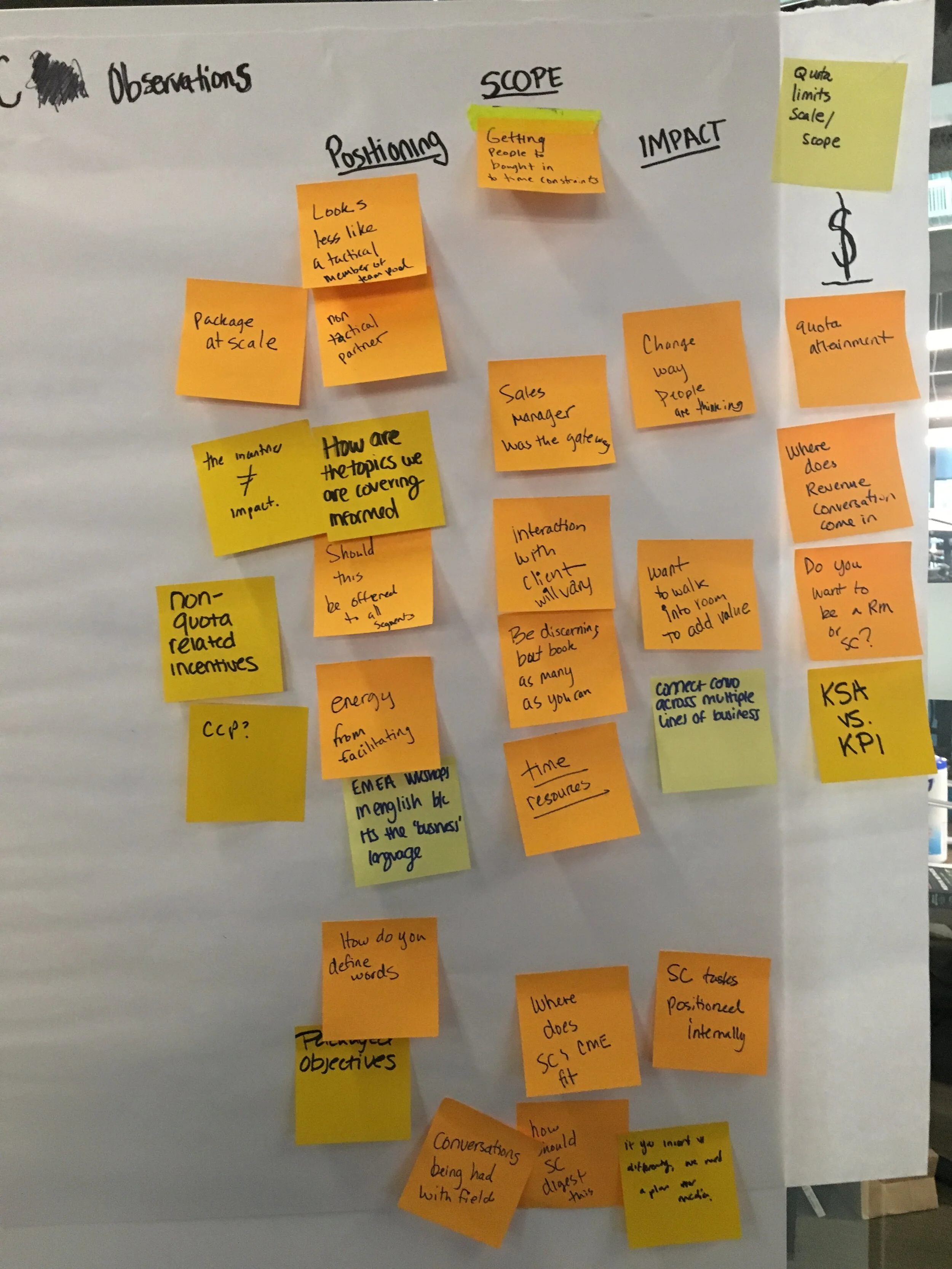
Before designing anything, we needed to understand who we were designing for. The pilot phase had already shown us the problem: SCs and their managers were skeptical about the added workload, and Sales Reps weren't convinced the program would help them hit their numbers. But the research went wider than that.
The team had already surveyed 400+ customers on their top objectives and interviewed 100+ relationship managers and customers to understand where the real trust gaps were. That existing foundation told us what clients actually needed. The SC interviews told us what was standing in the way of delivering it.
I created a standardized set of interview questions, and we ran four rounds of interviews with 16 SCs and their managers. From those conversations, I built empathy maps to capture what people were saying, doing, thinking, and feeling about the initiative.
The result was a clearer picture of the seven Key Value Propositions the SCs actually wanted from the program: professional development, motivation, accountability, direction, vision, visibility, and agency. Those became the value propositions that guided everything we built next.
The Design Sprint
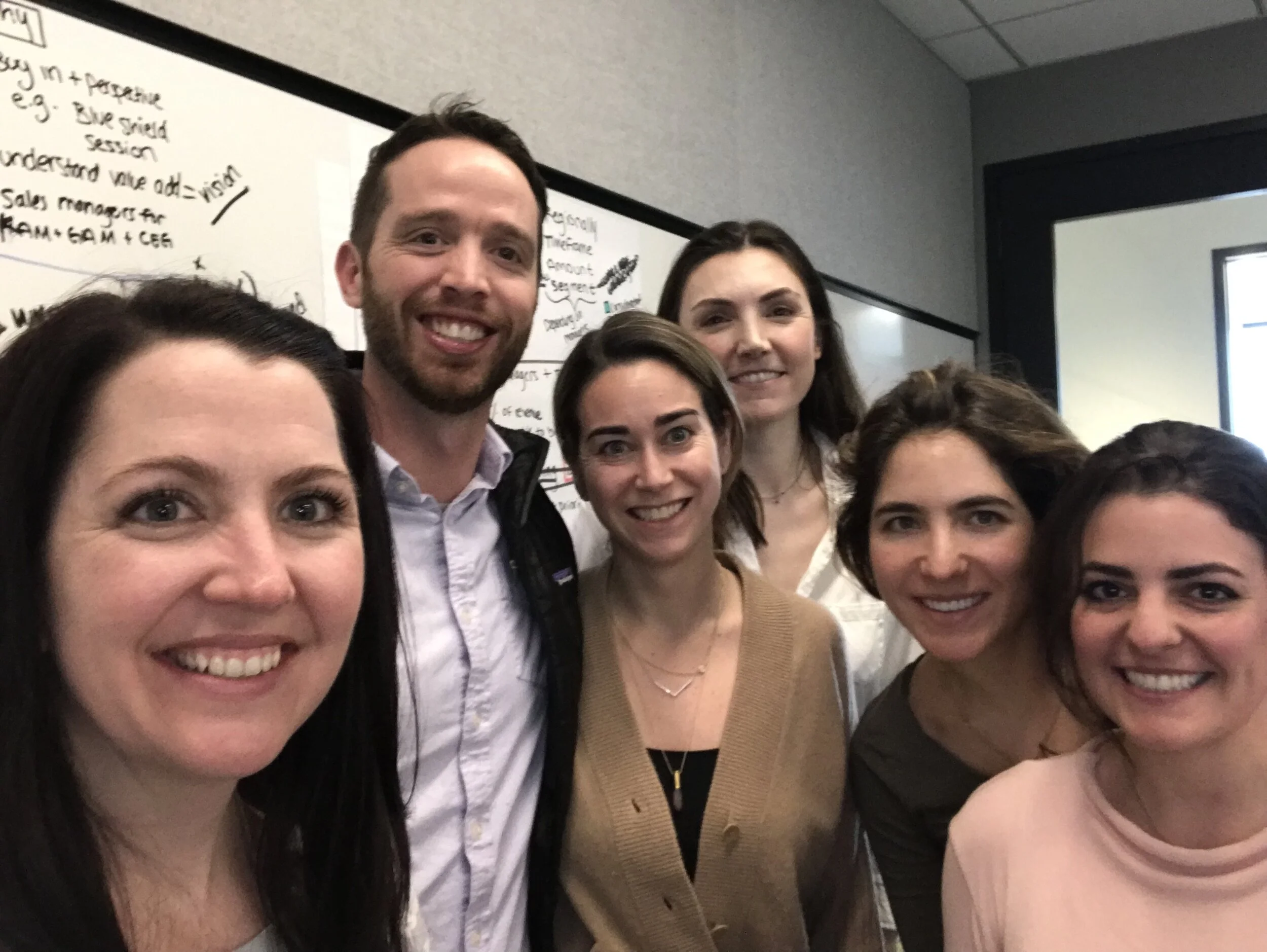
With the interviews done, the core team went into a two-day design sprint to build the go-to-market strategy. The team included a Solutions leader, a Content Marketing Evangelization leader, a Product Marketing Manager, and me.
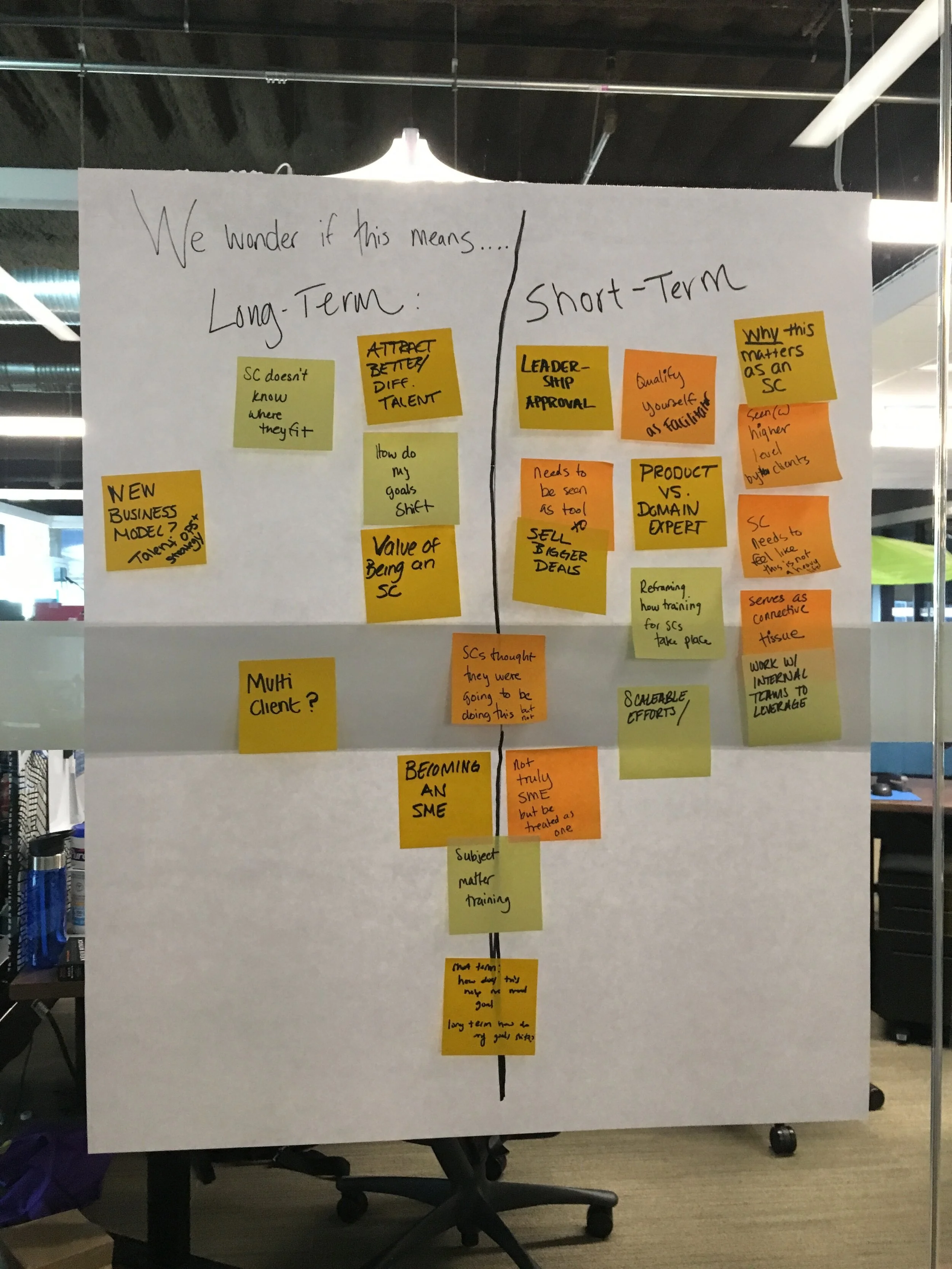
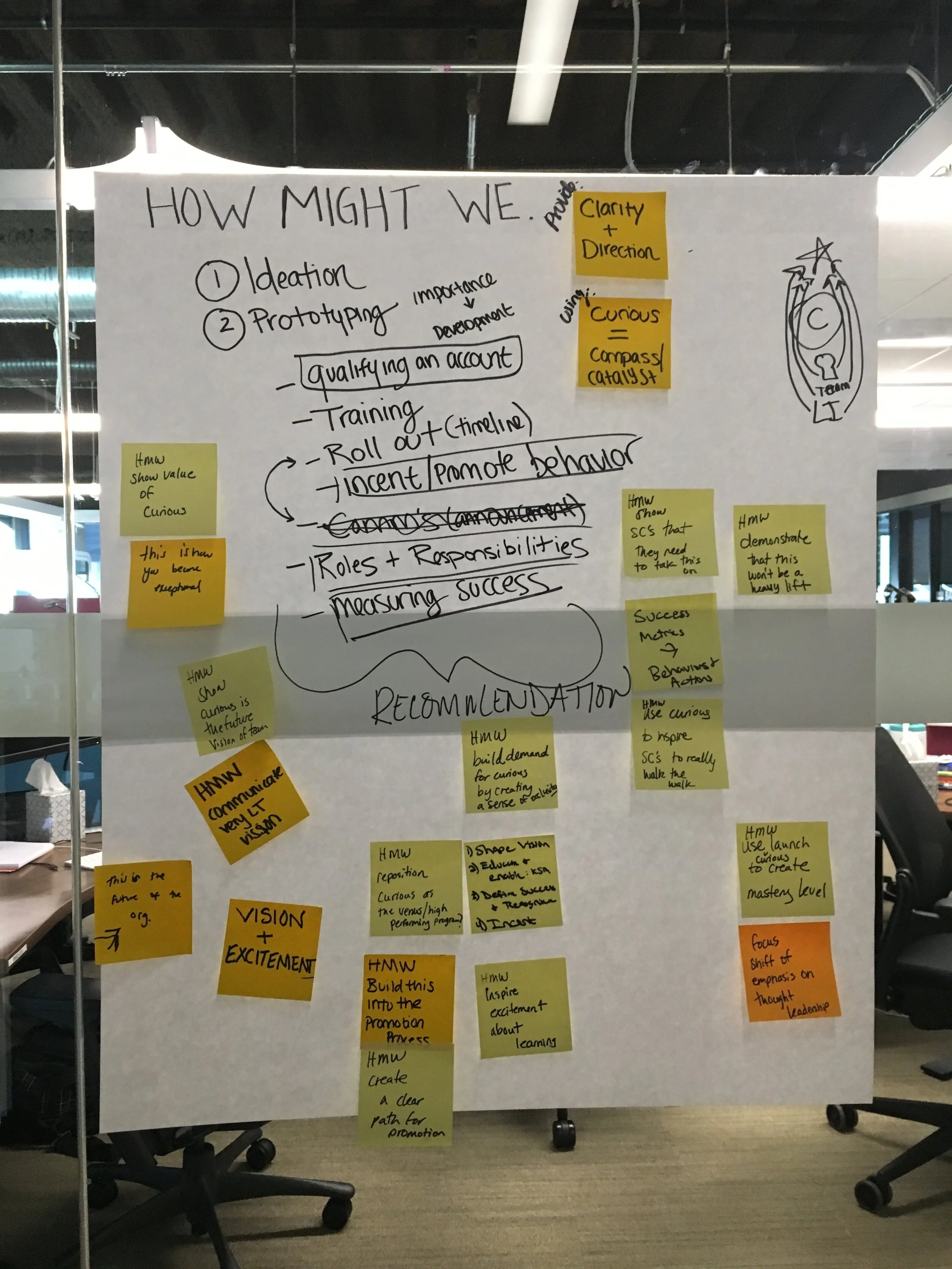
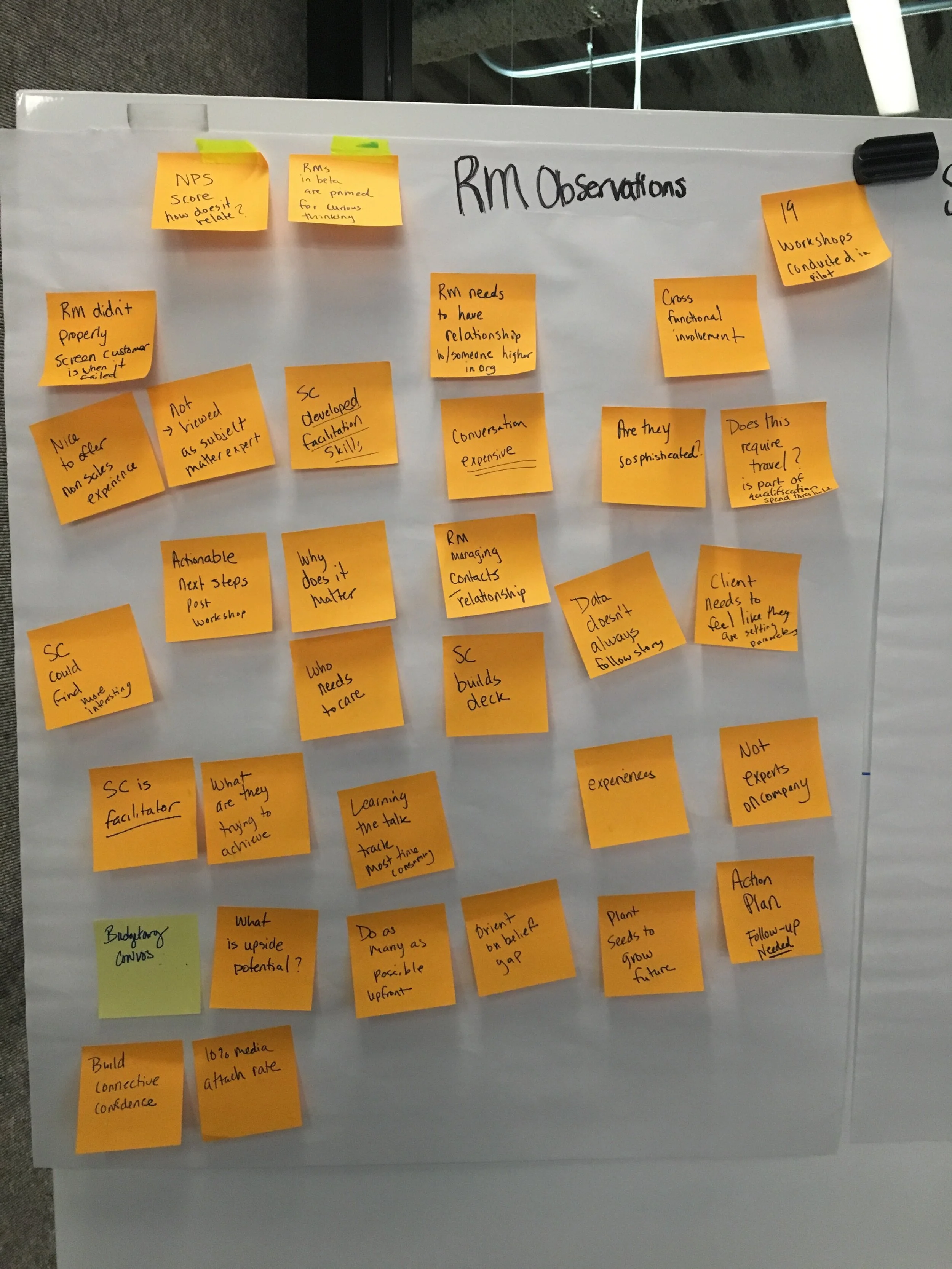
We analyzed interview findings, ran “How Might We” exercises, mapped short and long-term outcomes, and identified what SCs and Sales Reps each needed to get on board. Two days in, we had a GTM strategy and a training plan.
Building the Program
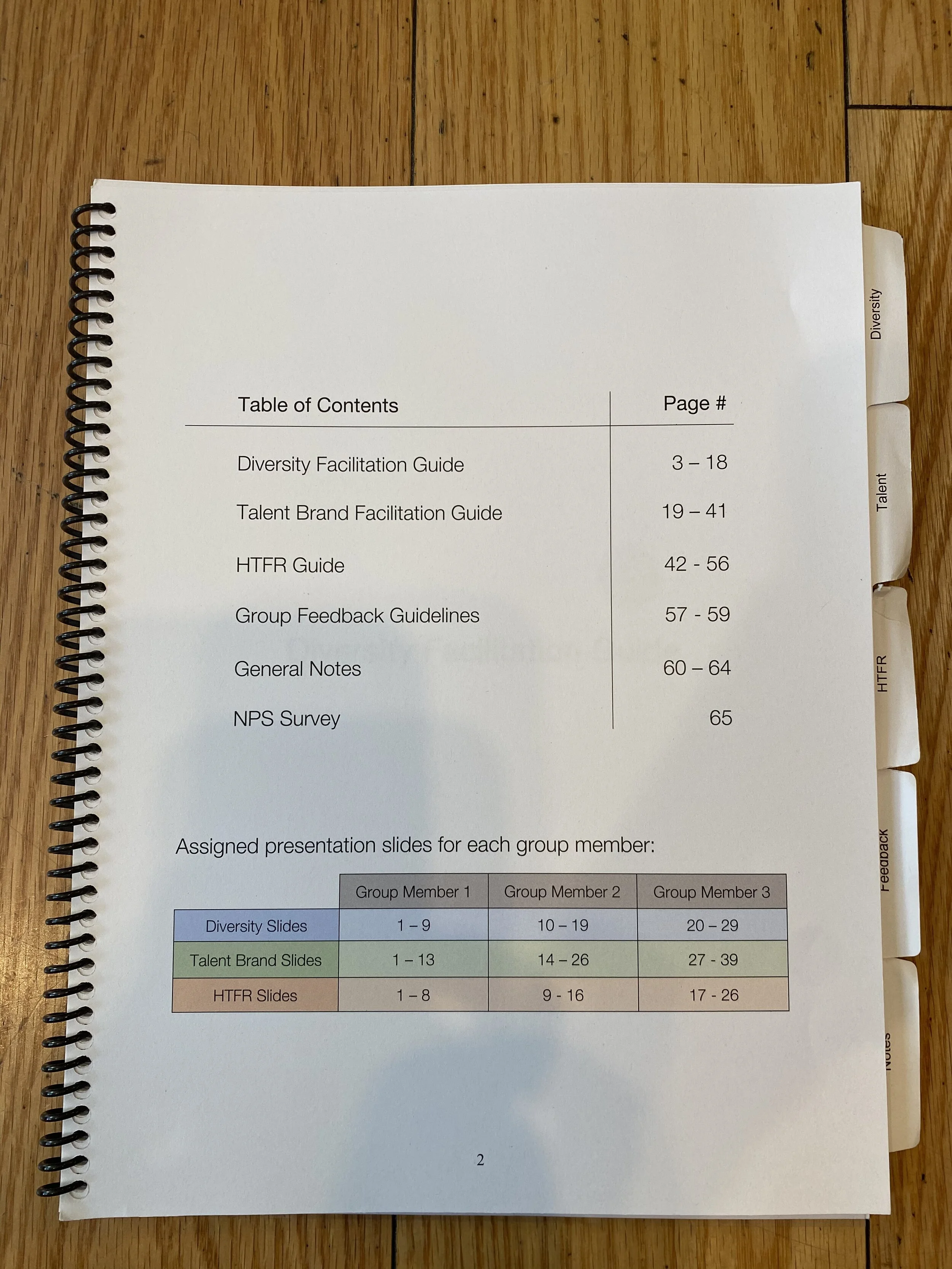
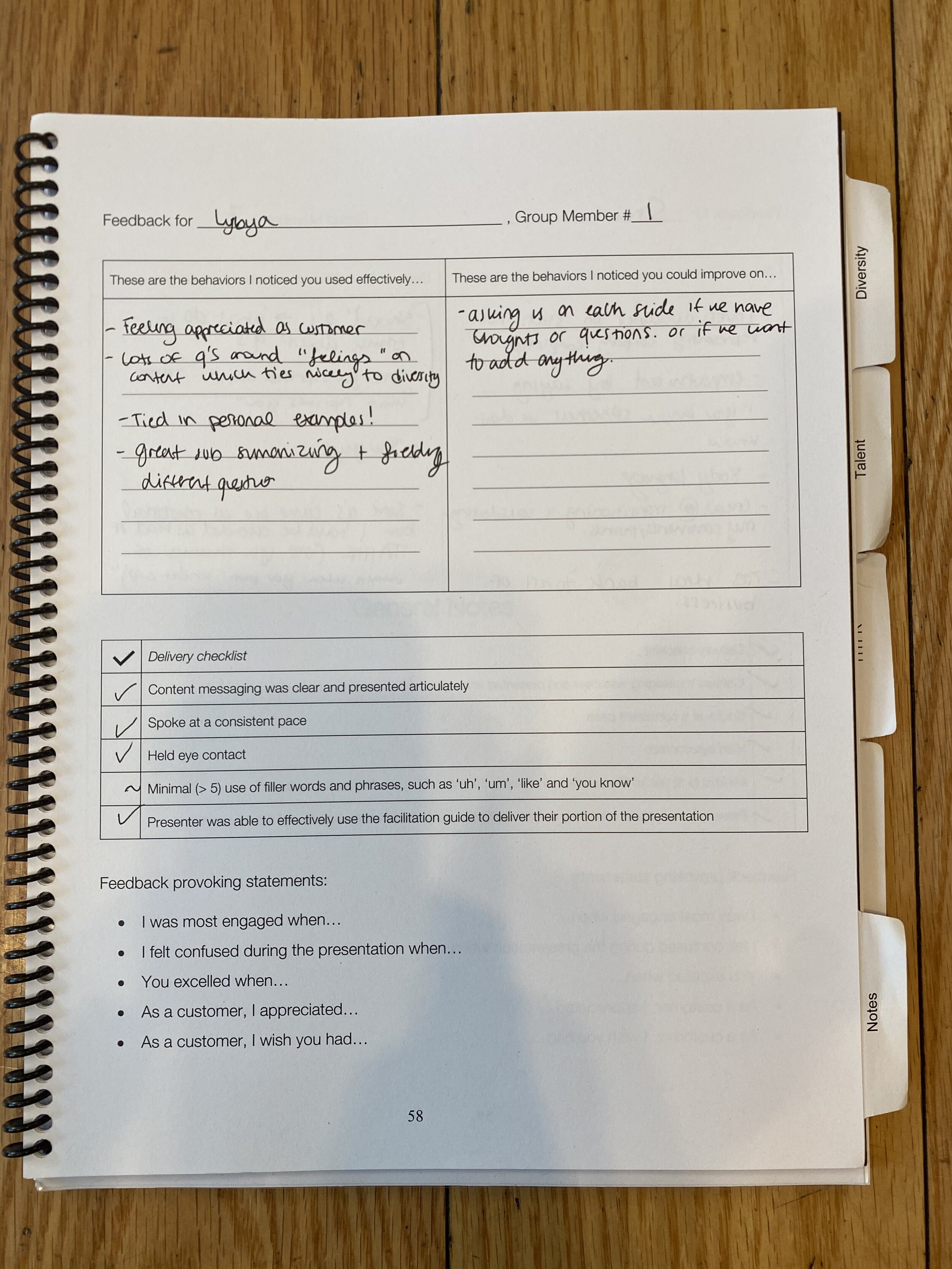
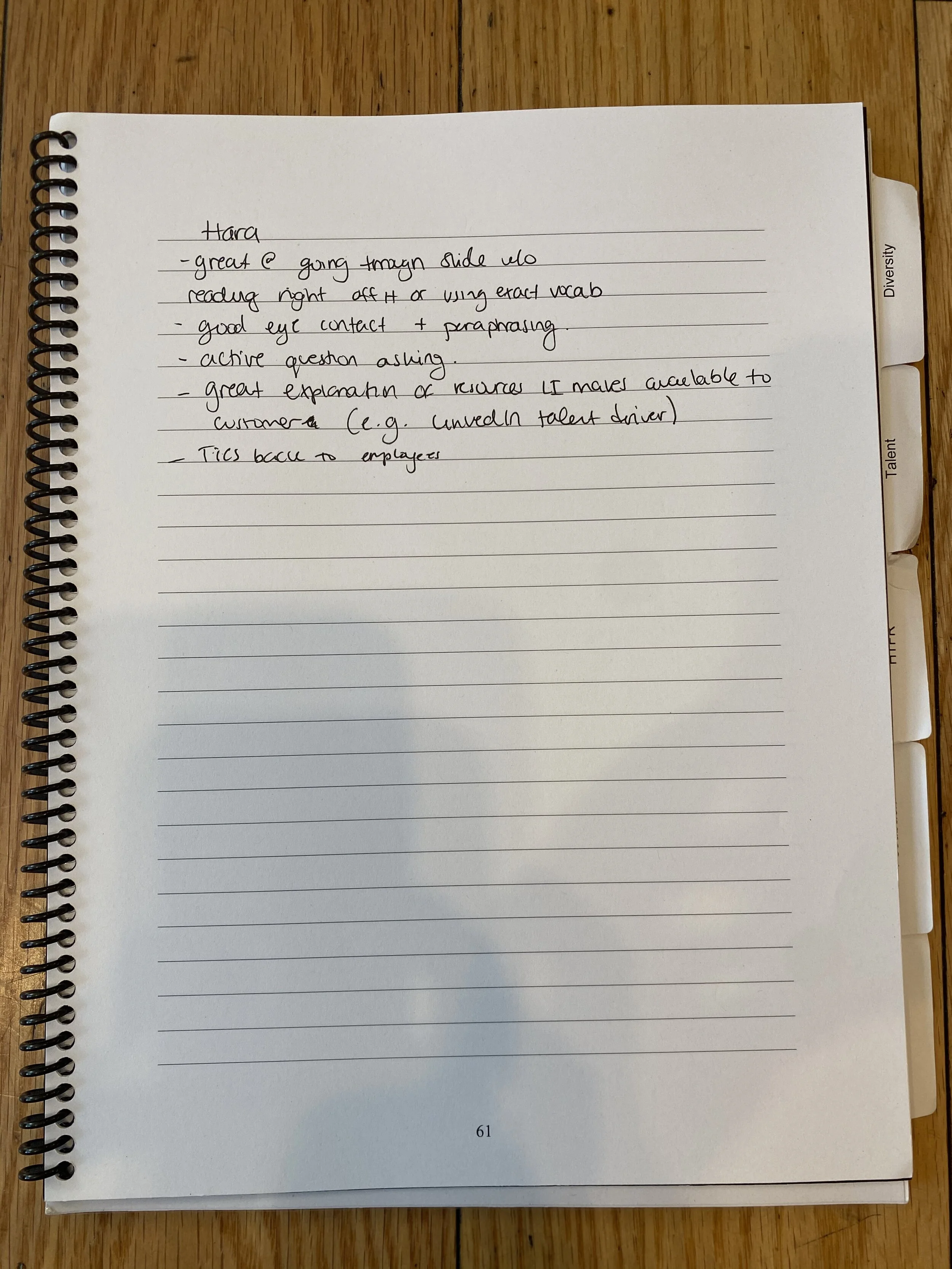
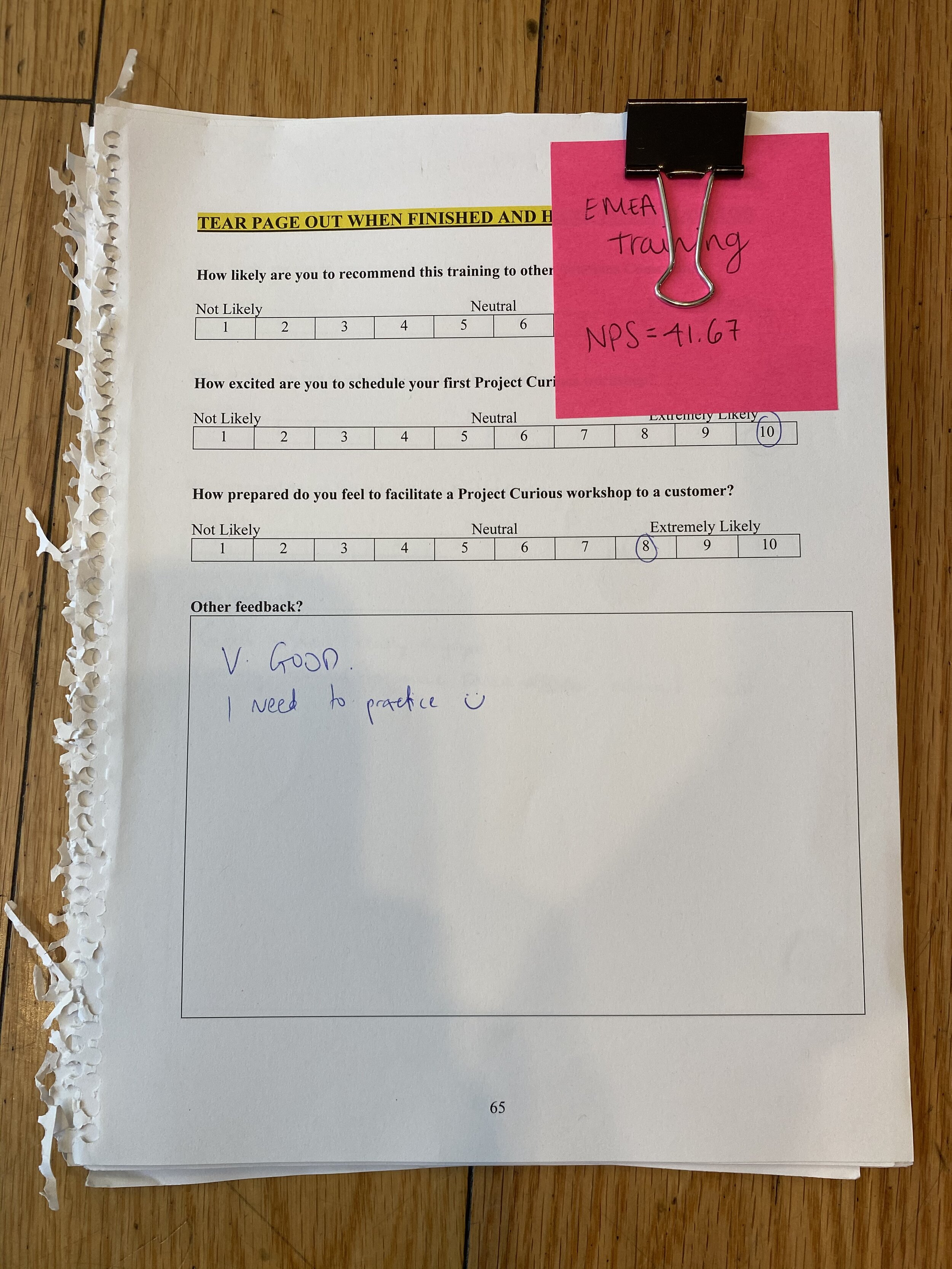
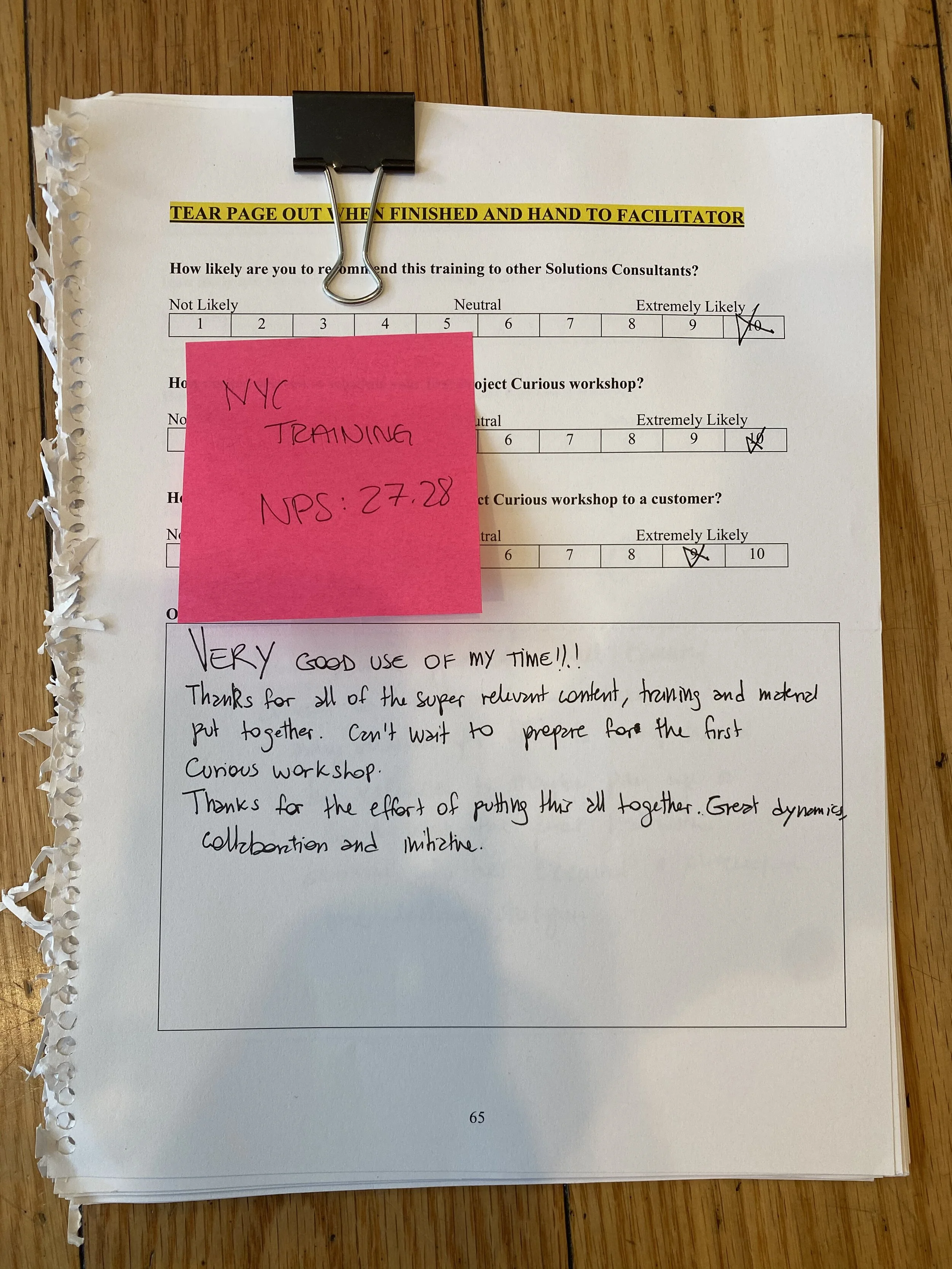
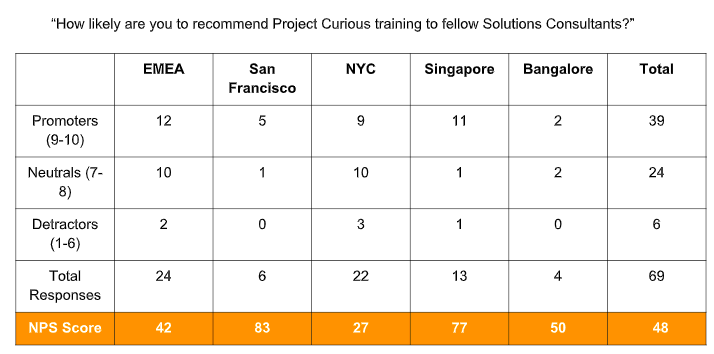
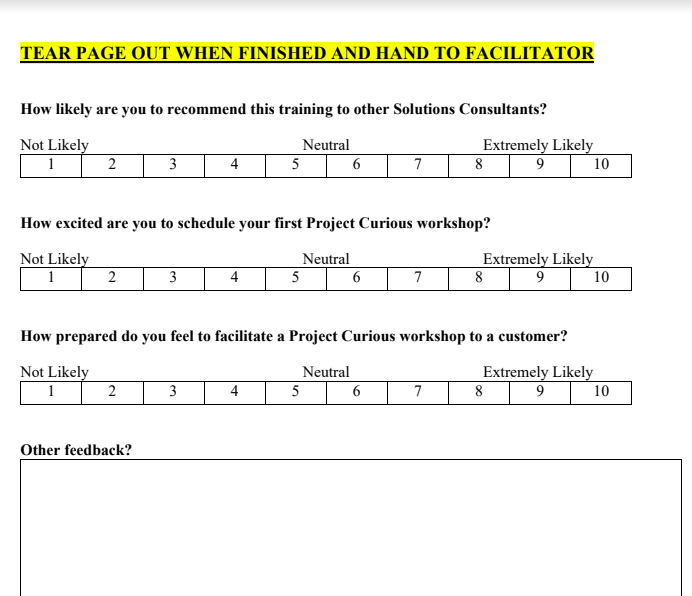
The first deliverable was a playbook. I wrote it end-to-end: talk scripts for each hiring objective, practical facilitation tips, group feedback guides, and a survey at the back for SCs to complete after each training session, including an NPS question to measure how the training itself was working.
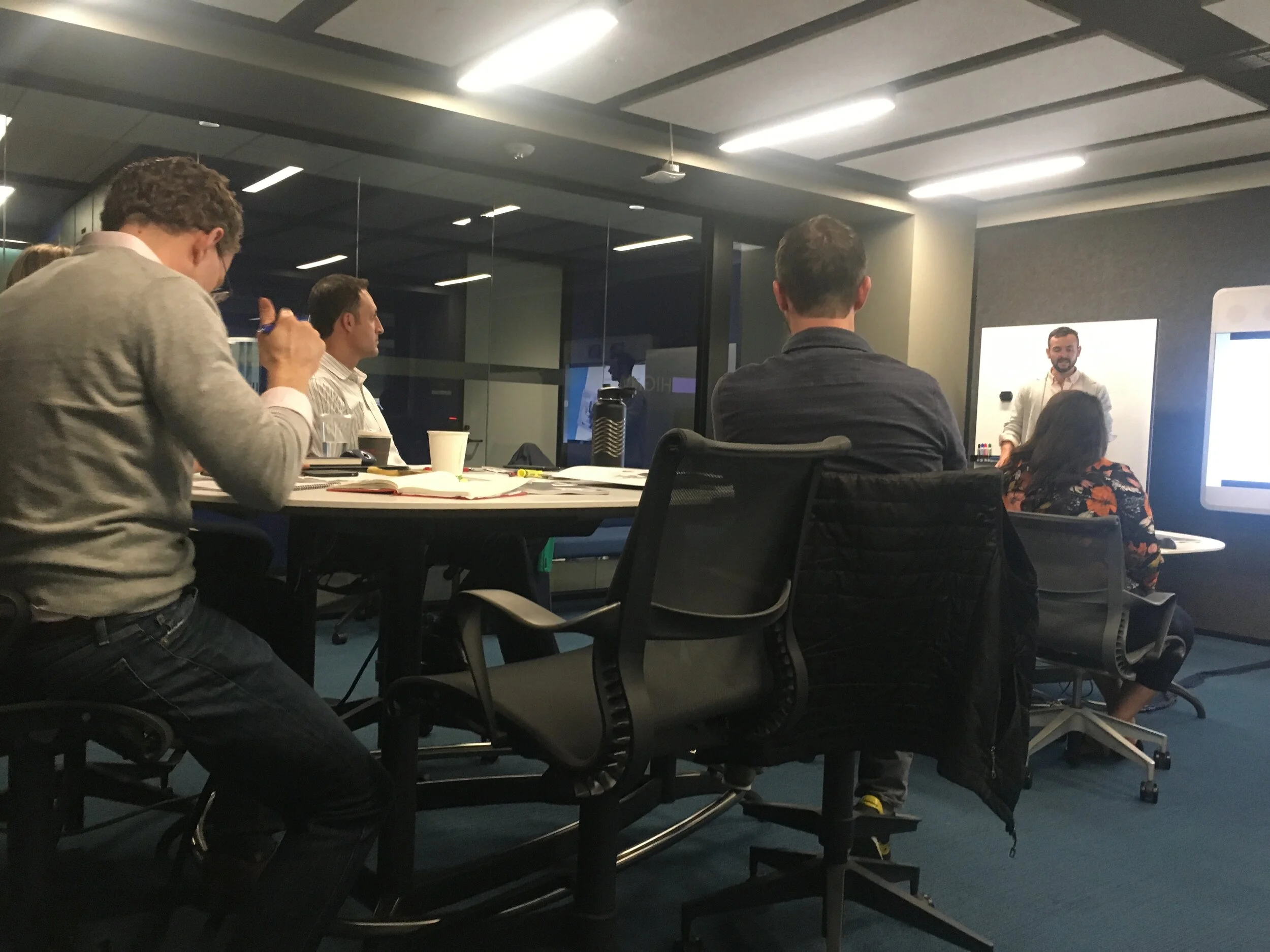
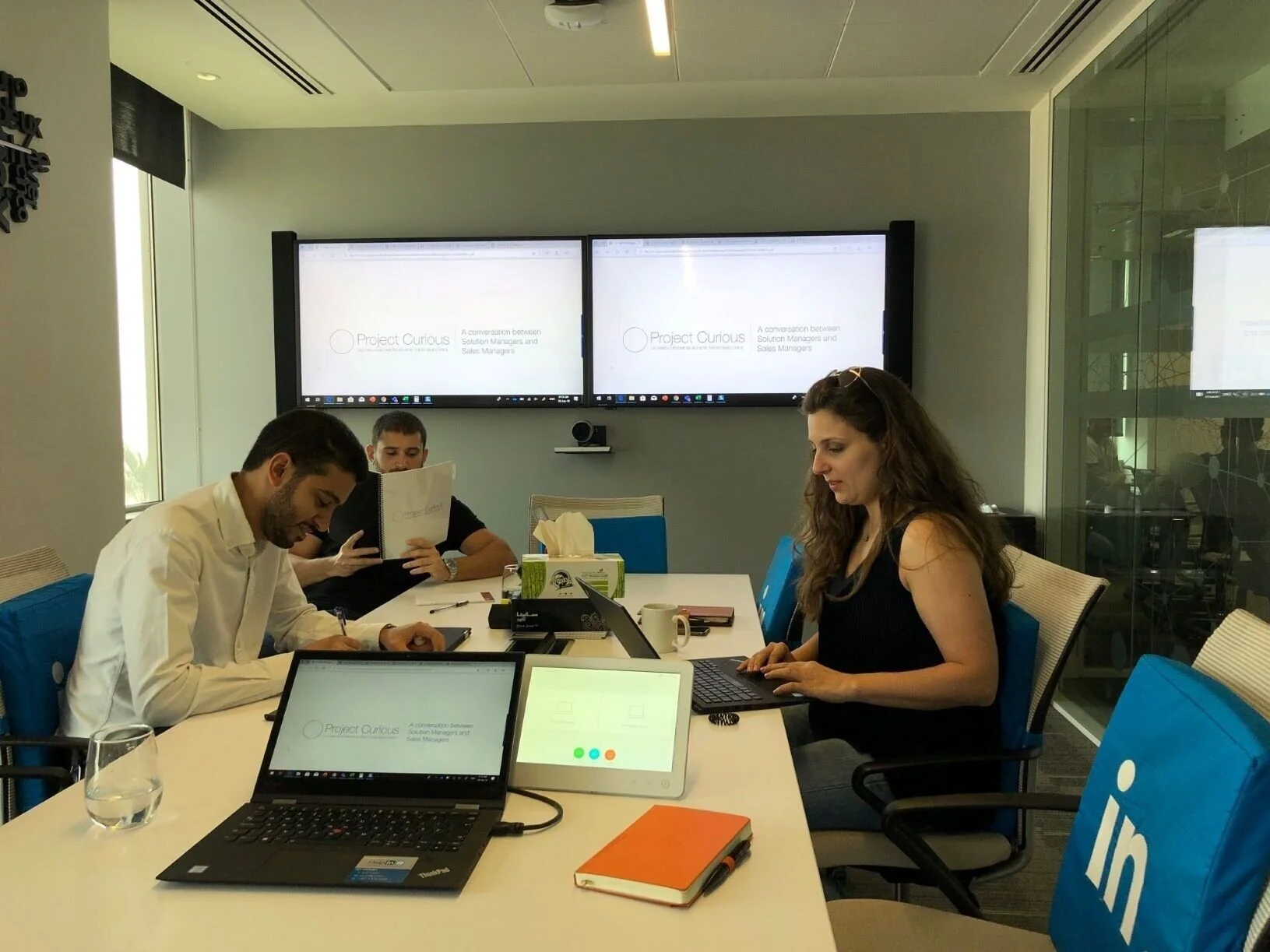
Then came the trainings, which we rolled out across the US and internationally in EMEA, LATAM, and APAC. I was based in San Francisco and travelled to Chicago to facilitate sessions directly, supporting international offices remotely.
Supporting the Solutions Consultants
Once the SCs finished their training, they needed resources to run the workshops in the field.
We built out a full toolkit: an SC journey map to track their progress and see who was involved at each stage, a Workshop in a Box with everything they needed to run a session, an FAQ, and an objective resource center housing all the content by hiring goal.
The Results
4 new accounts gained as a direct result of workshops.
$200k in revenue generated from a single workshop.
40+ workshops conducted globally.
The program launched globally. Within the first three months SCs were running design thinking workshops with clients across every region, leading conversations grounded in hiring strategy rather than product demos. These are the metrics we used to track the program’s success.